What is Life Safety Fire Risk Assessment?
Life Safety Fire Risk Assessments (LSFRAs) are detailed evaluations that focus specifically on how well a building protects people during a fire emergency. Unlike standard Fire Risk Assessments, LSFRAs concentrate on life-saving measures, not just property protection. They assess the building’s ability to support safe evacuation, highlighting issues that could put lives at risk. This includes the condition of escape routes, emergency lighting, alarms, and fire compartmentation. LSFRAs help duty holders understand the actual performance of life safety systems and pinpoint areas needing improvement. By doing so, they reduce the chance of injury or death during a fire. These assessments are especially important in high-occupancy and complex buildings such as residential blocks, hospitals, and care homes. With rising safety standards and legal obligations in the UK, LSFRAs are becoming an essential tool for anyone responsible for building fire safety.
Legal Obligations and Regulatory Framework
UK fire safety law places clear legal duties on those responsible for buildings. The Regulatory Reform (Fire Safety) Order 2005 requires duty holders such as building owners, landlords, and employers to identify and reduce fire risks. It is their legal obligation to ensure people can safely escape in the event of a fire. With the introduction of the Fire Safety (England) Regulations 2022, the emphasis has shifted further towards evacuation strategies and safeguarding lives. These updated laws demand stronger scrutiny of how a building performs during emergencies. Life Safety Fire Risk Assessments meet this need by going beyond standard assessments. They focus on escape routes, emergency systems, fire detection, and occupant protection, especially for vulnerable individuals. Failure to comply with these legal requirements can result in enforcement action, fines, or prosecution. LSFRAs help duty holders fulfil their responsibilities by offering a structured approach that aligns directly with regulatory demands, ensuring not only compliance but also peace of mind.
Core Components of a Life Safety Fire Risk Assessment
A Life Safety Fire Risk Assessment (LSFRA) evaluates key systems and design features that impact a building’s ability to protect occupants during a fire. It begins with a full assessment of all escape routes, checking for clear access, suitable width, and proper lighting. Emergency lighting and signage are inspected to ensure visibility under fire conditions. The assessment continues with a review of fire alarms and detection systems, confirming they offer prompt alerts for early evacuation. Special attention is given to evacuation plans, particularly for residents with disabilities or limited mobility. LSFRAs also examine fire compartmentation to contain fire spread and assess structural elements designed to resist fire. Passive fire protection measures, such as fire doors and barriers, are inspected to ensure effectiveness. This approach is more comprehensive than general fire risk assessments, which may focus more broadly on ignition sources or fuel hazards. LSFRAs prioritise human safety, making them crucial in buildings where occupant protection is critical.
Benefits of Implementing LSFRAs in Commercial and Residential Buildings
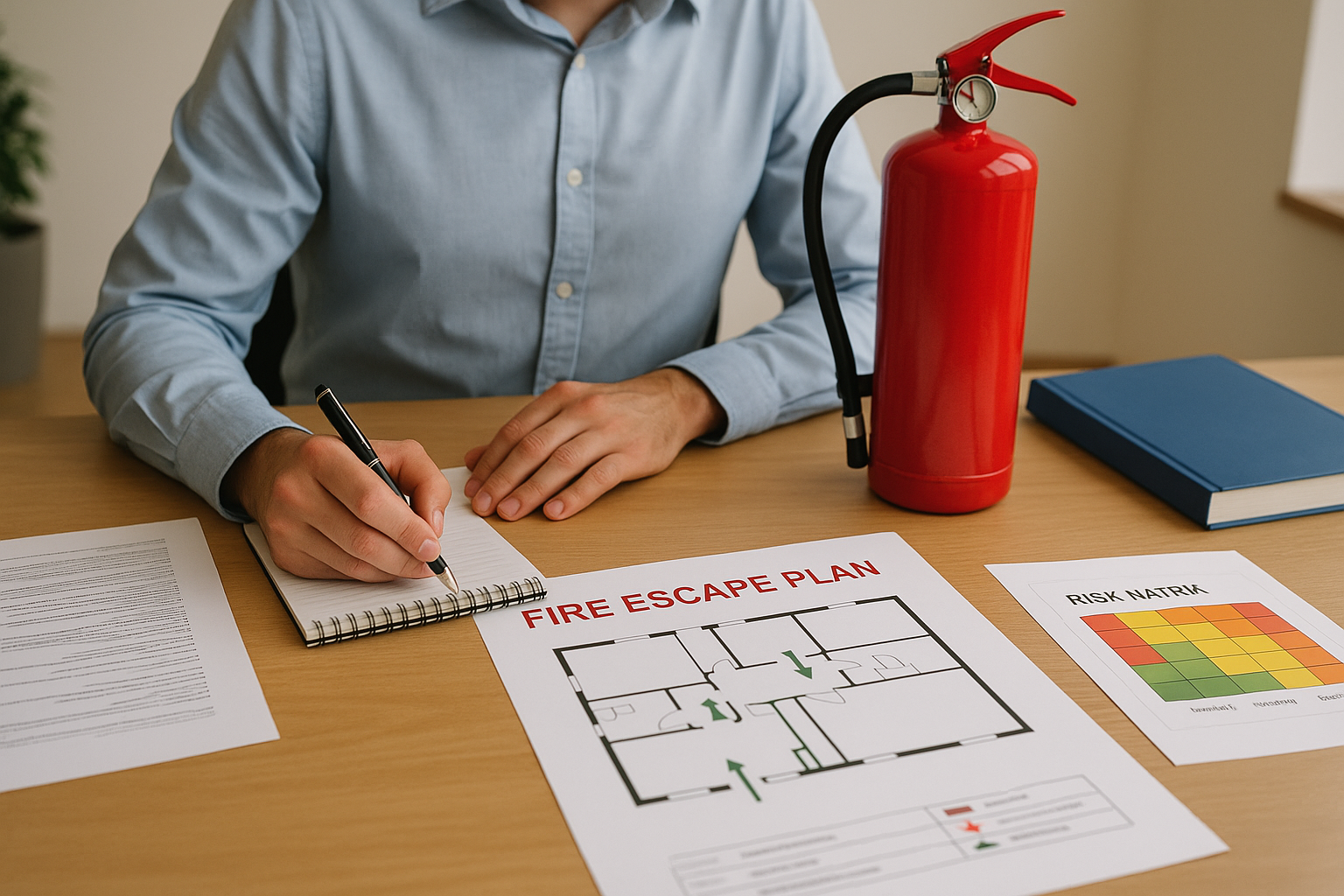
Implementing a Life Safety Fire Risk Assessment offers direct and long-term benefits for both residential and commercial buildings. It helps identify weaknesses that could cause serious harm during a fire, such as blocked exits, faulty alarms, or missing signage. By addressing these issues early, building owners can reduce the risk of injury or death and meet their legal obligations. LSFRAs also promote a strong safety culture, encouraging better training, routine checks, and awareness across the site. This preparation supports swift action during emergencies, improving outcomes for all occupants. Insurance providers often favour properties with active risk management, meaning LSFRAs can help secure cover or reduce premiums. Legal liability is also reduced, as documented assessments prove that steps were taken to protect life. Lastly, by showing a visible commitment to safety, property managers build trust with tenants, staff, and visitors. This enhances the reputation of the building and supports operational stability during and after emergency situations.

Squared Circle Environmental Safety
Squared Circle Environmental Safety is a leading provider of Life Safety Fire Risk Assessments across Leeds, UK. Their team delivers practical, detailed evaluations focused on protecting lives during emergencies. They understand the latest British fire safety regulations and apply them with precision. By examining escape routes, alarms, lighting, and fire compartmentation, they give clients a clear picture of their building’s performance. Their reports are easy to follow and offer specific steps for compliance. Whether you manage a residential block, office, or care home, Squared Circle provides assessments that help reduce risks and meet legal duties. Their approach is grounded in real-world knowledge, making them a smart choice for any duty holder aiming to improve life safety standards.
Visit their Google Maps profile to learn more and connect with their team.
Schedule a Consultation Today
Need help making sense of your fire risk assessment? Book with Squared Circle today for clear guidance, legal compliance, and total peace of mind.