What is a Fire Protection System?
A fire protection system is a coordinated set of equipment and procedures designed to detect, control, and extinguish fires. It plays a crucial role in reducing fire risks and safeguarding lives and property within UK buildings. These systems are broadly classified into active and passive types. Active fire protection involves tools that directly respond to fire, such as alarms, smoke detectors, sprinklers, and extinguishers. Passive fire protection focuses on structural elements like fire-resistant doors, compartmentation, and emergency lighting, which help to contain the spread of fire and support safe evacuation.
The main goal of a fire protection system is to provide early warning, slow down fire growth, and allow occupants to exit safely. Compliance with national safety regulations is mandatory. UK standards require adherence to the Building Regulations (Part B) and the Regulatory Reform (Fire Safety) Order 2005, which outline minimum requirements for fire safety across different types of premises. Together, these regulations ensure that fire protection systems are not just an option, but an essential component of building design and operational safety in the UK.
What are the Four Types of Fire Protection Systems?
In the UK, fire protection systems fall into four main categories, each serving a distinct function to ensure building safety. The first is Active Fire Protection (AFP). These systems actively combat fire and include tools such as fire sprinklers, portable extinguishers, and suppression agents. Their purpose is to suppress or control fires before they spread.
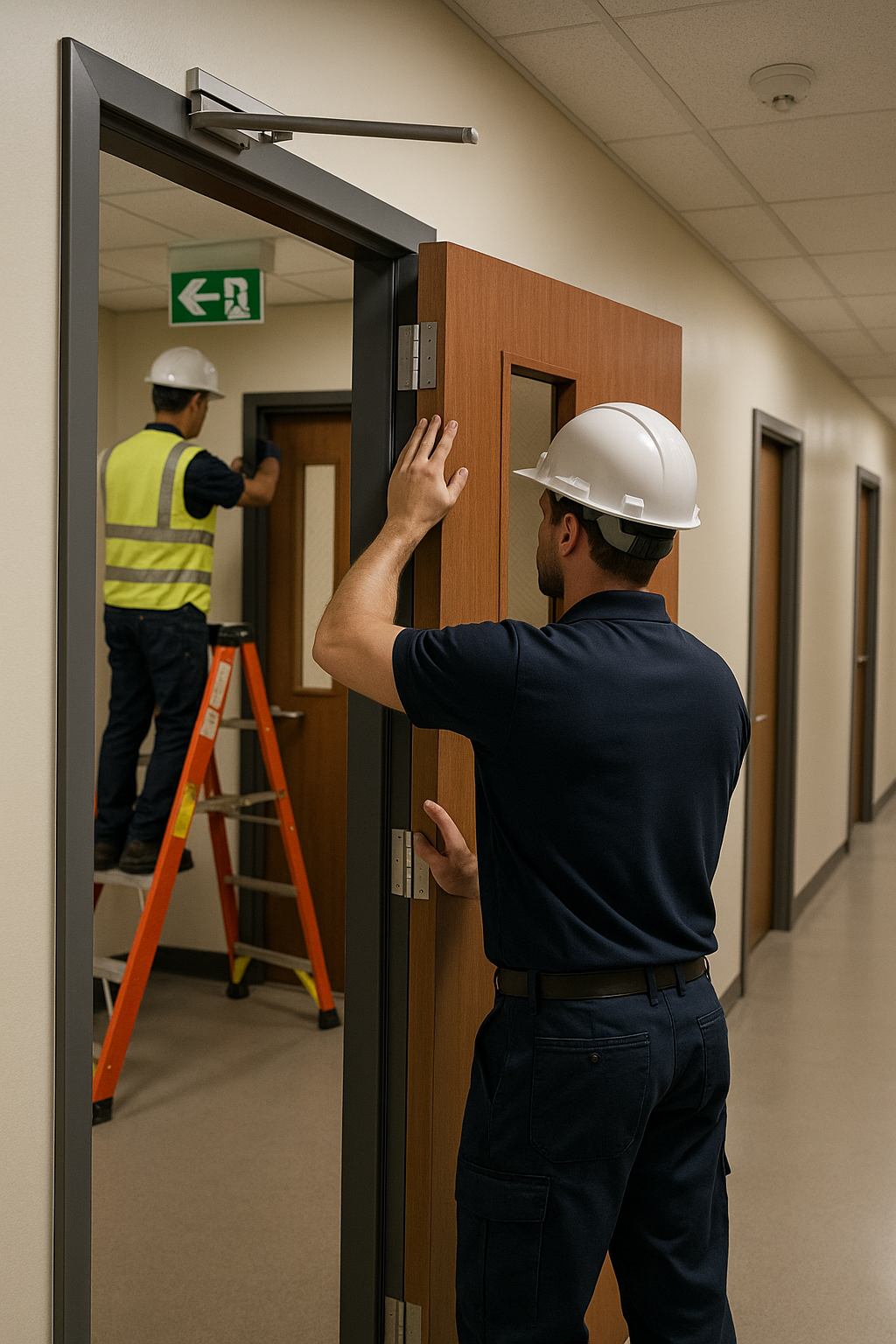
The second type is Passive Fire Protection (PFP). Unlike AFP, passive systems work through design and materials. They include fire-rated doors, fire-resistant walls, compartmentation barriers, and structural fireproofing. These features help to contain fire within specific areas and maintain structural stability.
The third category is Fire Detection and Alarm Systems. These systems use smoke and heat detectors, manual call points, and control panels to detect fire early and trigger audible or visual alerts. Early detection is essential for evacuation and emergency response.
The fourth type is Smoke Control and Ventilation Systems. These systems manage smoke movement within buildings, helping to maintain clear escape routes and reduce the risk of smoke inhalation.
All fire protection systems in the UK must comply with British Standards, such as BS 5839 for alarms and BS 9999 for fire safety design. Combining these systems ensures comprehensive fire protection and full legal compliance.
What is the Most Common Fire Protection System?
The most common fire protection system in UK buildings is the fire alarm system. It is a legal requirement in most non-domestic properties and widely adopted in homes, businesses, and industrial facilities. Fire alarm systems typically include a combination of smoke detectors, heat sensors, manual call points, control panels, and audible or visual alerts. Their primary purpose is to detect fire at an early stage and alert occupants quickly, allowing time for evacuation and response.
These systems are favoured due to their cost-effectiveness, easy maintenance, and broad application across different property types. Fire alarm systems form the backbone of fire safety in the UK and are often the first line of defence in an emergency. Their widespread use is driven not only by practicality but by strict compliance requirements under the Regulatory Reform (Fire Safety) Order 2005.
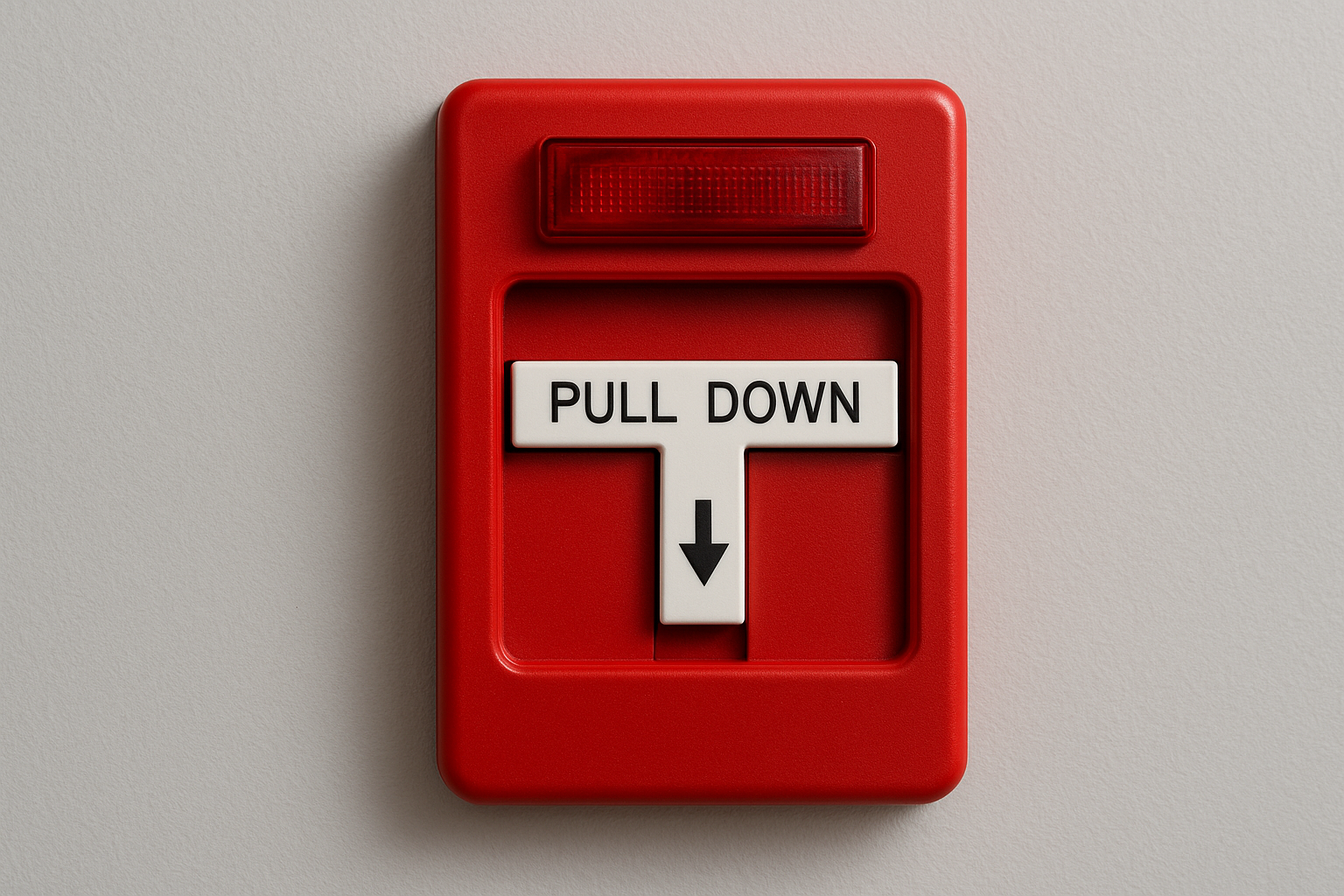
Installation and maintenance must follow British Standards. For non-domestic premises, BS 5839-1 outlines specific system design and installation rules, while BS 5839-6 applies to domestic settings. Whether in a warehouse, office block, care home, or flat, fire alarms are a vital safety feature and often the most familiar component of a building’s fire protection plan.
Is it a Legal Requirement to Have a Fire Suppression System?
In the UK, fire suppression systems such as sprinklers or gas-based systems are not legally required in all buildings, but their installation is mandatory in specific high-risk environments. These systems are designed to automatically suppress fires using water, chemical agents, or inert gases. They are especially common in places where rapid fire spread could result in high casualties or significant property loss.
Fire suppression is compulsory in certain settings, such as care homes, large warehouses, and high-rise residential buildings over 11 metres in Wales. The Building Regulations (Approved Document B) and input from local planning authorities determine when suppression systems are required based on building use and fire risk.
Under the Regulatory Reform (Fire Safety) Order 2005, a risk-based approach is enforced, meaning that building owners or responsible persons must assess the fire risks and install suppression systems if deemed necessary. Additionally, all systems must meet applicable British Standards, such as BS EN 12845 for sprinkler systems, ensuring proper performance and reliability.
In summary, while not universally mandated, fire suppression systems are legally required in specific cases and play a critical role in enhancing fire safety where risks are high or escape options are limited.

Squared Circle Environmental Safety
Squared Circle Environmental Safety is a reliable choice for Passive Fire Protection and Life Safety Fire Risk Assessment services in the UK. Their team delivers solutions that meet legal standards while focusing on occupant safety and building integrity. For passive fire protection, they provide fire-stopping systems, fire-resistant materials, and compartmentation to reduce fire spread. Their Life Safety Fire Risk Assessments go beyond standard checks, highlighting critical risks that affect safe evacuation during an emergency. All services follow UK regulations, including the Regulatory Reform (Fire Safety) Order 2005 and relevant British Standards. With certified professionals and detailed reporting, Squared Circle supports compliance and improves safety in both residential and commercial properties. They are a practical option for duty holders seeking dependable fire protection support.
Visit their Google Maps profile to learn more and connect with their team.
Schedule a Consultation Today
Looking to improve your building’s fire protection system? Contact Squared Circle Environmental Safety today. Our team delivers prompt, expert support across all fire protection components. We offer a free consultation to assess your current system and recommend improvements for safety and compliance.