Why Intrusive vs Non-Intrusive Asbestos Inspections Matter in Leeds
Across Leeds and West Yorkshire, many properties built before 2000 may contain asbestos in both visible and hidden areas. Understanding the difference between inspection types is essential for making safe and informed decisions. Choosing between intrusive and non-intrusive asbestos inspections can directly impact safety, compliance, and project costs. A non-intrusive inspection is often suitable for day-to-day occupancy and general risk awareness, but it cannot reveal what lies behind walls or beneath floors. In contrast, intrusive inspections provide a deeper understanding by accessing concealed areas where asbestos may be present. This distinction is critical when planning any form of renovation or structural work. Taking the right approach ensures accurate identification of risks, avoidance of unexpected exposure, and proper compliance with UK regulations, especially when applying asbestos risk management in Leeds. By understanding these differences, property owners can adopt a practical and risk-based approach that protects occupants while avoiding unnecessary disruption.
What is the difference between intrusive and non-intrusive asbestos inspections?
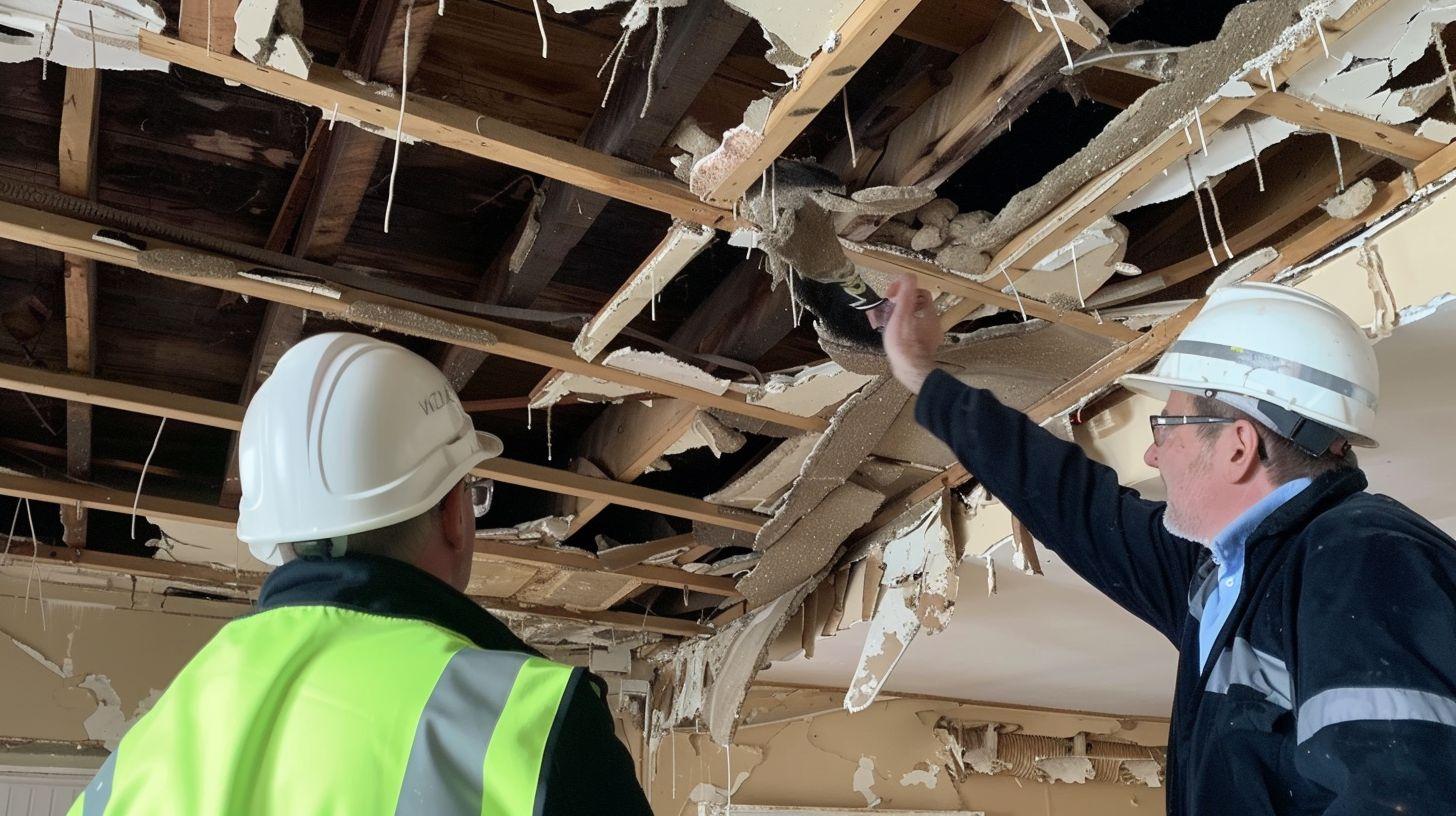
The core difference between these inspection types lies in how much access is involved. Non-intrusive inspections involve visual checks without opening structures, making them suitable for assessing accessible areas. These surveys are typically used for general occupancy and risk awareness, where the goal is to identify visible materials without causing disruption. In contrast, intrusive inspections involve accessing hidden areas such as walls, floors, and ceilings, allowing for a more thorough investigation. These are required before renovation or demolition work, where materials will be disturbed. Each type serves a distinct purpose, and one cannot replace the other. A non-intrusive survey provides an overview, while an intrusive survey delivers detailed insight into concealed risks. Understanding this difference helps property owners make informed decisions and ensures that the correct inspection is chosen based on intended use of the property.
When is a non-intrusive asbestos inspection not enough?
While non-intrusive inspections are useful, they have clear limitations that must be understood. Non-intrusive surveys cannot detect asbestos behind walls or under floors, meaning hidden materials may remain unidentified. Reports often include “areas not inspected” due to access limitations, which highlights gaps in coverage rather than faults in the inspection. Even after a survey, hidden asbestos may still be present, particularly in older properties. These inspections are not suitable if you are planning construction, upgrades, or structural changes, where disturbance is likely. Relying solely on a non-intrusive survey in such situations can create a false sense of security. Recognising these limitations helps set realistic expectations and avoids false reassurance, ensuring that the right level of inspection is chosen when needed.
Why are intrusive asbestos inspections essential before renovation work?
Intrusive asbestos inspections play a crucial role in preparing for renovation or structural work. They are required to identify asbestos in areas that will be disturbed, ensuring that risks are properly assessed before any work begins. Without this level of inspection, there is a higher chance of unexpected exposure during building work, which can lead to health risks and legal issues. Intrusive surveys also support legal and safety compliance, helping property owners meet UK regulations. By identifying risks early, they help avoid project delays and additional costs, which often occur when asbestos is discovered mid-project. Most importantly, they ensure a safer working environment for contractors and occupants, reducing the likelihood of accidental exposure, and demonstrate how asbestos risk is properly managed before renovation work. This makes intrusive inspections an essential step for any planned renovation or demolition work.

Why Squared Circle Environmental Safety Delivers Reliable Inspection Support
Squared Circle Environmental Safety is known for providing dependable and practical asbestos inspection services tailored to real property needs. Their team focuses on delivering clear advice and accurate reporting, helping clients understand which inspection type is appropriate for their situation. With strong experience in both intrusive and non-intrusive surveys, they ensure that all findings are presented in a straightforward and actionable way. Their approach prioritises safety, compliance, and cost efficiency, avoiding unnecessary work while still addressing real risks. Whether you need a simple inspection or a detailed survey before renovation, their recommendations are based on practical outcomes rather than assumptions. This makes them a reliable choice for property owners who want professional guidance without confusion or pressure, ensuring confident decision-making.
Not Sure Which Inspection You Need? Get Clear Advice First
Most property owners are unsure which inspection is right for them. The key is choosing based on how the property will be used, not just its age.
With expert guidance, you can:
- Understand whether a non-intrusive or intrusive survey is appropriate
- Avoid unexpected risks during renovation or building work
- Ensure compliance with UK safety regulations
- Make decisions based on clear, practical advice
👉 Speak to a local expert today and get the clarity you need before starting any work.
Schedule a Consultation Today
Book your Asbestos Management Survey in Morley today and gain clear, compliant answers before your renovation, sale or compliance deadline creates unnecessary risk.