Passive Fire Protection for Industrial and Multi-Occupancy Buildings
Industrial sites and multi-occupancy buildings rely on effective passive fire protection to help contain fire, limit smoke spread, and support safe evacuation procedures. As an essential part of a building’s fire safety strategy, passive fire protection works continuously in the background to protect occupants, preserve escape routes, and maintain compartmentation. From firestopping systems and fire doors to fire-resisting walls and floors, these measures help reduce the impact of a fire whilst supporting compliance with UK fire safety legislation and building regulations. For commercial premises, industrial sites, residential properties, and mixed-use developments throughout Leeds, Morley, West Yorkshire, and the wider UK, maintaining effective passive fire protection is an important part of managing fire risks and helping to keep buildings safe. Regular inspections, maintenance, and remedial works also help ensure these systems continue performing as intended throughout the life of the building.
Passive fire protection helps support:
- Compartmentation
- Fire and smoke containment
- Safe evacuation
- Protection of assets and property
- Building compliance
- Long-term fire safety performance
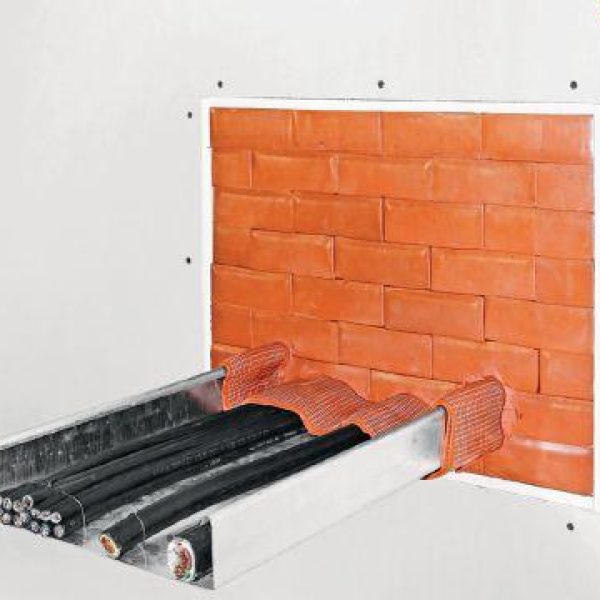
What Is Passive Fire Protection and Why Is It Important in Industrial and Multi-Occupancy Buildings?
Passive fire protection refers to the systems and building elements designed to slow the spread of fire and smoke without requiring activation during an emergency. Unlike active fire protection systems such as alarms, sprinklers, and suppression systems, passive fire protection forms part of the building structure itself. Its primary purpose is to support compartmentation by containing fire within designated areas, helping to protect escape routes and improve evacuation procedures. Common examples include firestopping, fire doors, fire-resistant walls, and fire-resistant floors.
These measures play a crucial role in safeguarding occupants, protecting property, and reducing damage during a fire. This is particularly important within industrial sites and multi-occupancy buildings where large numbers of people, complex layouts, and high-value assets may be present. Effective passive fire protection also helps support compliance with UK fire safety legislation by ensuring buildings maintain appropriate levels of fire resistance and compartmentation throughout their operational life.
Common passive fire protection measures include:
- Firestopping systems
- Certified fire doors
- Fire-resistant walls
- Fire-resistant floors
- Compartmentation barriers
- Smoke containment measures
How Does Compartmentation Improve Fire Safety in Commercial and Residential Buildings?
Compartmentation is one of the most important elements of passive fire protection. It involves dividing a building into separate fire-resistant compartments designed to contain fire and smoke within a specific area for a defined period. This helps prevent rapid fire spread, protects escape routes, and supports safer evacuation procedures for occupants.
Fire-resisting walls, floors, doors, and barriers work together to create compartments that limit the movement of heat, flames, and smoke throughout a building. However, compartmentation can be compromised by defects such as unsealed service penetrations, damaged fire barriers, and poorly executed refurbishment works. These issues are frequently identified during fire safety inspections and passive fire protection surveys.
Common compartmentation failures include:
- Unsealed cable and pipe penetrations
- Damaged fire-resisting walls
- Compromised fire doors
- Poorly completed refurbishment works
- Missing firestopping systems
- Inadequate remedial works
Regular inspections, maintenance, and remedial works help ensure compartmentation remains effective and continues protecting occupants, property, and escape routes over time.
What Are the Most Common Passive Fire Protection Failures Found During Inspections?
Passive fire protection failures are regularly identified during fire safety inspections, compartmentation surveys, and compliance assessments across commercial premises, industrial sites, and multi-occupancy buildings. These failures often occur due to poor workmanship, inadequate maintenance, refurbishment works, or a lack of ongoing inspections. One of the most common issues involves missing or damaged firestopping systems around cables, pipes, and service penetrations. Poorly maintained fire doors, damaged compartment walls, and incorrectly installed fire protection products are also frequently identified.
In many cases, refurbishment or maintenance works introduce defects that compromise existing fire barriers. Missing certification records and incomplete compliance documentation can create additional challenges for responsible persons attempting to demonstrate compliance.
Missing certification records and inadequate maintenance documentation frequently create additional compliance concerns. Where defects are discovered, remedial works are often required to restore compliance and ensure fire doors continue supporting compartmentation and escape route protection.
Common passive fire protection failures include:
- Missing or damaged firestopping
- Poorly maintained fire doors
- Unsealed service penetrations
- Damaged compartment walls and barriers
- Incorrect installation methods
- Missing certification records
- Defects introduced during refurbishment works
- Inadequate inspection and maintenance programmes
Where failures are identified, remedial works and ongoing inspections are essential for restoring compliance and maintaining long-term building safety.

Why Businesses Across Yorkshire Trust Squared Circle Environmental Safety for Passive Fire Protection
Businesses throughout Leeds, Morley, West Yorkshire, and across the UK choose Squared Circle Environmental Safety because the company provides comprehensive fire protection services backed by practical fire safety expertise and a strong understanding of UK compliance requirements. From compartmentation surveys and firestopping inspections to passive fire protection remedial works and compliance support, the team helps commercial premises, industrial sites, residential properties, and multi-occupancy buildings maintain effective fire protection measures.
Clients benefit from professionally qualified specialists, clear documentation, responsive communication, and practical solutions tailored to the specific needs of each building. Rather than focusing solely on compliance paperwork, Squared Circle Environmental Safety prioritises quality workmanship, long-term reliability, and practical fire safety improvements that help protect occupants and property.
Why clients choose Squared Circle:
- Experienced passive fire protection specialists
- Comprehensive compartmentation expertise
- Clear certification and documentation
- Practical compliance advice
- Responsive support and communication
- Experience across industrial and multi-occupancy buildings
- Strong Yorkshire presence with UK coverage
From surveys and inspections to remedial works and ongoing support, clients receive practical assistance backed by recognised industry standards.
Protect Your Building with Effective Passive Fire Protection
Passive fire protection defects often remain hidden until inspections reveal serious compliance concerns. Taking a proactive approach to compartmentation, firestopping, and fire door maintenance can help protect occupants, support compliance, and reduce long-term fire safety risks.
Speak with Squared Circle Environmental Safety for:
- Passive fire protection surveys
- Compartmentation inspections
- Firestopping assessments
- Compliance documentation
- Remedial works
- Ongoing fire safety support
Contact Squared Circle Environmental Safety today to discuss fire protection services for industrial and multi-occupancy buildings across Leeds, Yorkshire, and the wider UK.
Schedule a Consultation Today
Book your Asbestos Management Survey in Morley today and gain clear, compliant answers before your renovation, sale or compliance deadline creates unnecessary risk.