What Is FIRAS Accreditation and Why Does It Matter?
Businesses across Leeds, Morley, West Yorkshire, and the wider UK are placing greater importance on working with FIRAS accredited fire protection specialists to help ensure buildings remain compliant, properly protected, and safe for occupants. FIRAS accreditation is a recognised third-party certification scheme that verifies fire protection systems have been installed by competent professionals working to independently assessed standards. This is particularly important in commercial premises, industrial sites, residential developments, and multi-occupancy buildings where poor workmanship can create serious fire safety and compliance concerns.
For duty holders, contractors, facilities managers, and property owners, FIRAS accreditation provides reassurance that work has been completed correctly, documented properly, and assessed against recognised UK fire safety and building regulations.
Why FIRAS accreditation matters:
- Independently assessed installation standards
- Improved compliance with UK regulations
- Clear certification and audit trails
- Reduced legal and liability risks
- Protection against poor-quality contractors
- Greater accountability and workmanship standards
Across Leeds and Yorkshire, where commercial projects and refurbishment works continue to increase, using certified installers helps reduce the risks commonly associated with low-cost or non-compliant contractors.
How Does FIRAS Accreditation Help Businesses Meet Fire Safety Compliance Requirements?
FIRAS accreditation helps businesses demonstrate compliance with UK fire safety legislation, building regulations, and recognised third-party certification standards. The accreditation verifies that fire protection installations are completed by competent installers who follow independently assessed installation procedures and approved methods of work. This is especially important for commercial premises, industrial facilities, residential developments, and multi-occupancy properties where fire safety responsibilities must be properly managed and recorded.
For duty holders and responsible persons, FIRAS certification supports stronger compliance by providing traceable documentation, installation records, and clear audit trails that can be reviewed during inspections, maintenance programmes, or compliance assessments.
Key compliance benefits include:
- Traceable installation records
- Recognised third-party certification
- Support for compliance inspections
- Reduced remedial and liability risks
- Improved confidence for insurers and contractors
- Clear accountability for responsible persons
Certified work is often viewed more favourably by insurers, contractors, building managers, and property owners because it demonstrates accountability and recognised installation standards. Non-certified installers may not provide the same level of quality assurance, documentation, or ongoing compliance support.
Why Is FIRAS Accreditation Important for Firestopping and Passive Fire Protection?
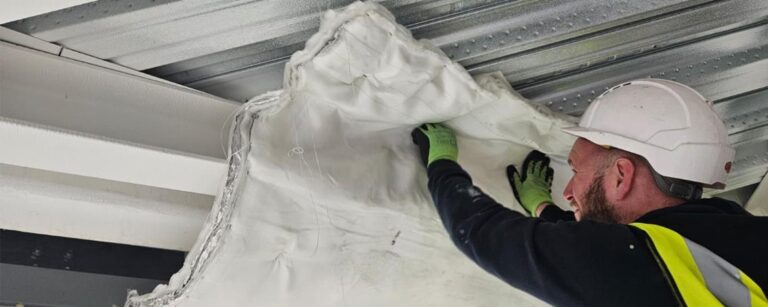
FIRAS accreditation plays an important role in ensuring firestopping and passive fire protection systems are installed correctly and continue performing as intended throughout the life of a building. Effective compartmentation is essential within commercial premises, industrial buildings, residential developments, and multi-occupancy properties because it helps slow the spread of fire and smoke between areas, protecting occupants and supporting safer evacuation procedures. Poorly installed firestopping systems can leave hidden gaps around cables, ductwork, pipework, and service penetrations, which are common failures identified during inspections and compliance reviews.
Passive fire protection requires specialist installation because systems must meet tested performance standards and comply with UK fire safety regulations.
Common firestopping issues include:
- Unsealed service penetrations
- Failed compartmentation barriers
- Incorrect firestopping materials
- Poorly sealed cable and pipe routes
- Missing documentation and certification
- Non-compliant retrofit works
FIRAS accredited installers follow independently assessed installation procedures and provide certification, documentation, and traceable records to support ongoing compliance responsibilities. Properly installed firestopping can also help reduce disruption to day-to-day operations and improve long-term building safety.
How Can You Tell if a Fire Protection Contractor Is Properly Accredited?
Choosing the right fire protection contractor is important for maintaining compliance, protecting occupants, and avoiding poor-quality installation work. A properly accredited fire protection company should be able to provide evidence of FIRAS certification, competent installers, traceable documentation, and clear compliance records. Businesses should ask whether installers are independently assessed, whether certification is included within the work, and whether ongoing inspections or maintenance support are available after installation has been completed.
Poor-quality fire protection work may not become obvious until inspections identify failed compartmentation, damaged systems, or non-compliant installations.
Questions businesses should ask:
- Is the company FIRAS accredited?
- Are installers independently assessed?
- Will certification and documentation be provided?
- Is ongoing maintenance support available?
- Can the contractor explain compliance procedures clearly?
- Does the company have experience with similar premises?
Warning signs often include unclear documentation, unusually low pricing, and contractors who cannot properly explain installation standards or certification procedures. Experienced local specialists will often provide clearer communication, faster response times, and more practical support.

Why Businesses Across Yorkshire Choose Squared Circle Environmental Safety
Businesses throughout Leeds, Morley, West Yorkshire, and across the UK choose Squared Circle Environmental Safety because the company combines FIRAS accredited fire protection expertise with a practical and responsive approach to compliance support. Clients benefit from professionally qualified installers, straightforward documentation, dependable communication, and certified fire protection services designed to support long-term building safety. Whether working on commercial premises, industrial facilities, residential developments, or multi-site properties, the focus remains on delivering compliant solutions with minimal disruption to normal business activities.
Unlike providers that rely on generic reporting or slow corporate processes, Squared Circle Environmental Safety prioritises clear advice, accountability, and reliable project delivery.
Why clients choose Squared Circle:
- FIRAS accredited installers
- Practical and responsive support
- Clear documentation and certification
- Commercial and industrial expertise
- Minimal disruption during works
- Reliable ongoing compliance guidance
- Strong Yorkshire presence with UK coverage
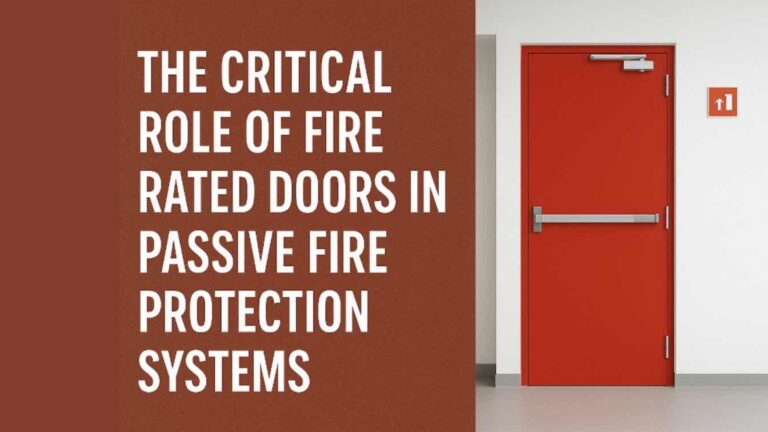
From firestopping and passive fire protection to fire door maintenance and certified installation work, clients receive experienced support backed by recognised industry standards.
Protect Your Premises with Certified Fire Protection Support
If you are responsible for a commercial property, industrial site, residential development, or multi-occupancy building, working with FIRAS accredited fire protection specialists can help reduce compliance risks and improve long-term safety standards.
Speak with Squared Circle Environmental Safety for:
- Certified fire protection installation
- Firestopping and passive fire protection
- Fire door compliance support
- Clear documentation and certification
- Reliable support across Leeds and Yorkshire
Contact Squared Circle Environmental Safety today for practical advice and certified fire protection services across Leeds and Yorkshire backed by recognised industry standards.
Schedule a Consultation Today
Book your Asbestos Management Survey in Morley today and gain clear, compliant answers before your renovation, sale or compliance deadline creates unnecessary risk.